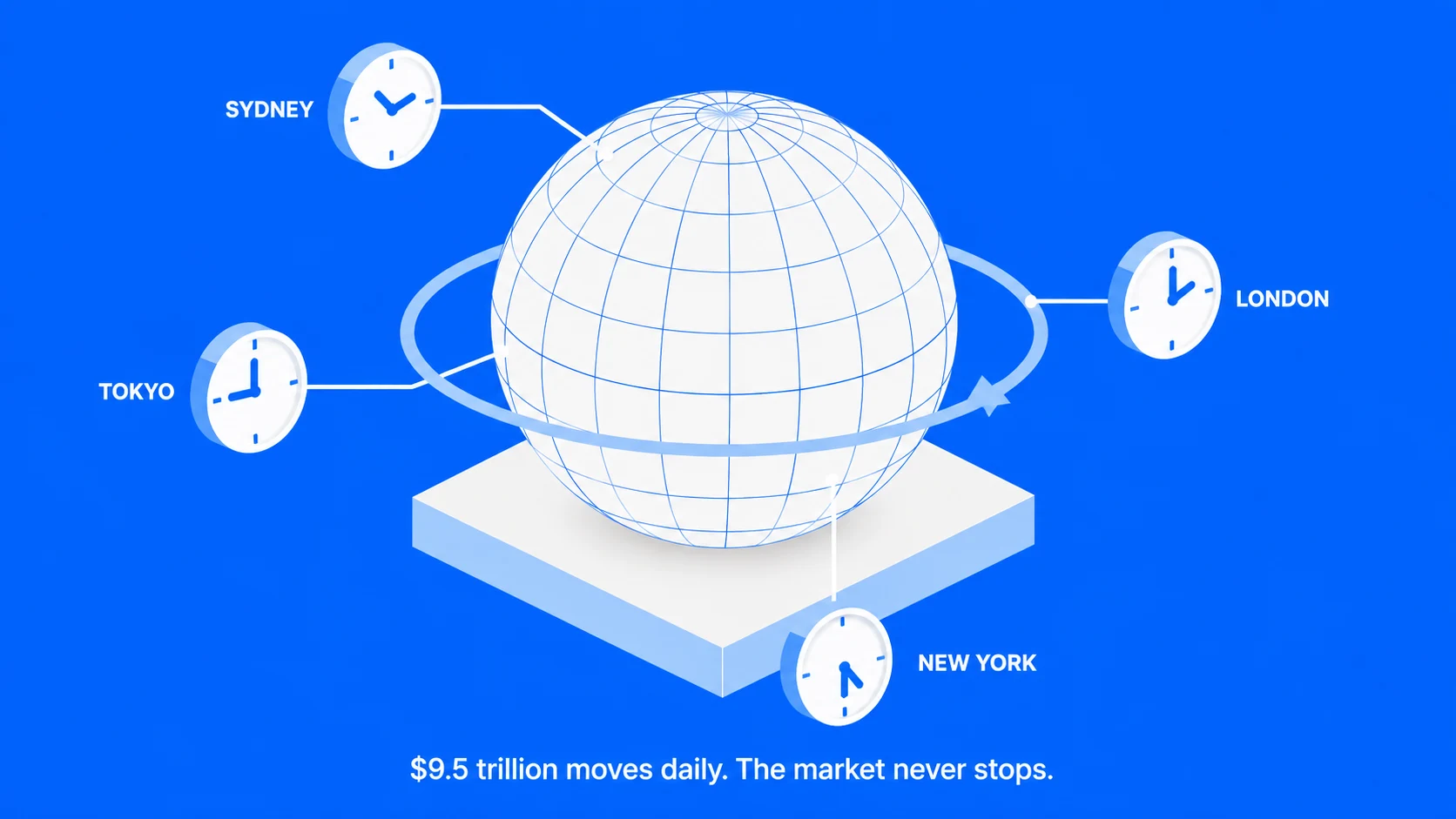
Forex trading is the simultaneous purchase of one currency and sale of another to profit from changes in the exchange rate between the two. Forex trading takes place in the foreign exchange market, the largest financial market in the world, with a daily turnover of $9.5 trillion in April 2025 according to the Bank for […]
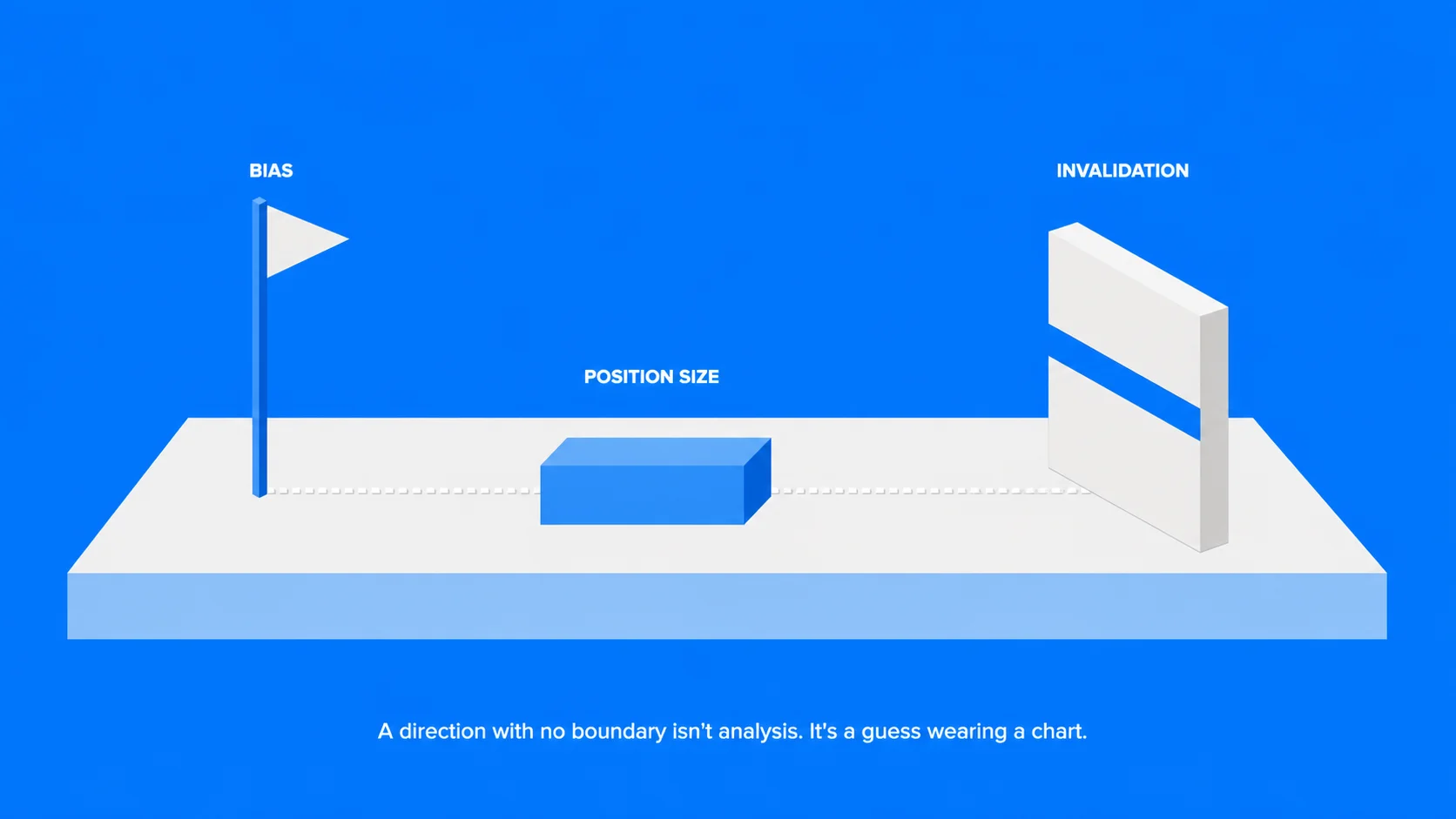
Forex trading analysis is the process of examining price data, economic conditions, and market positioning to form a directional view on a currency pair. It divides into three methods: technical analysis (what price has done), fundamental analysis (what should drive value), and sentiment analysis (how participants are positioned). Most guides stop at those definitions and […]
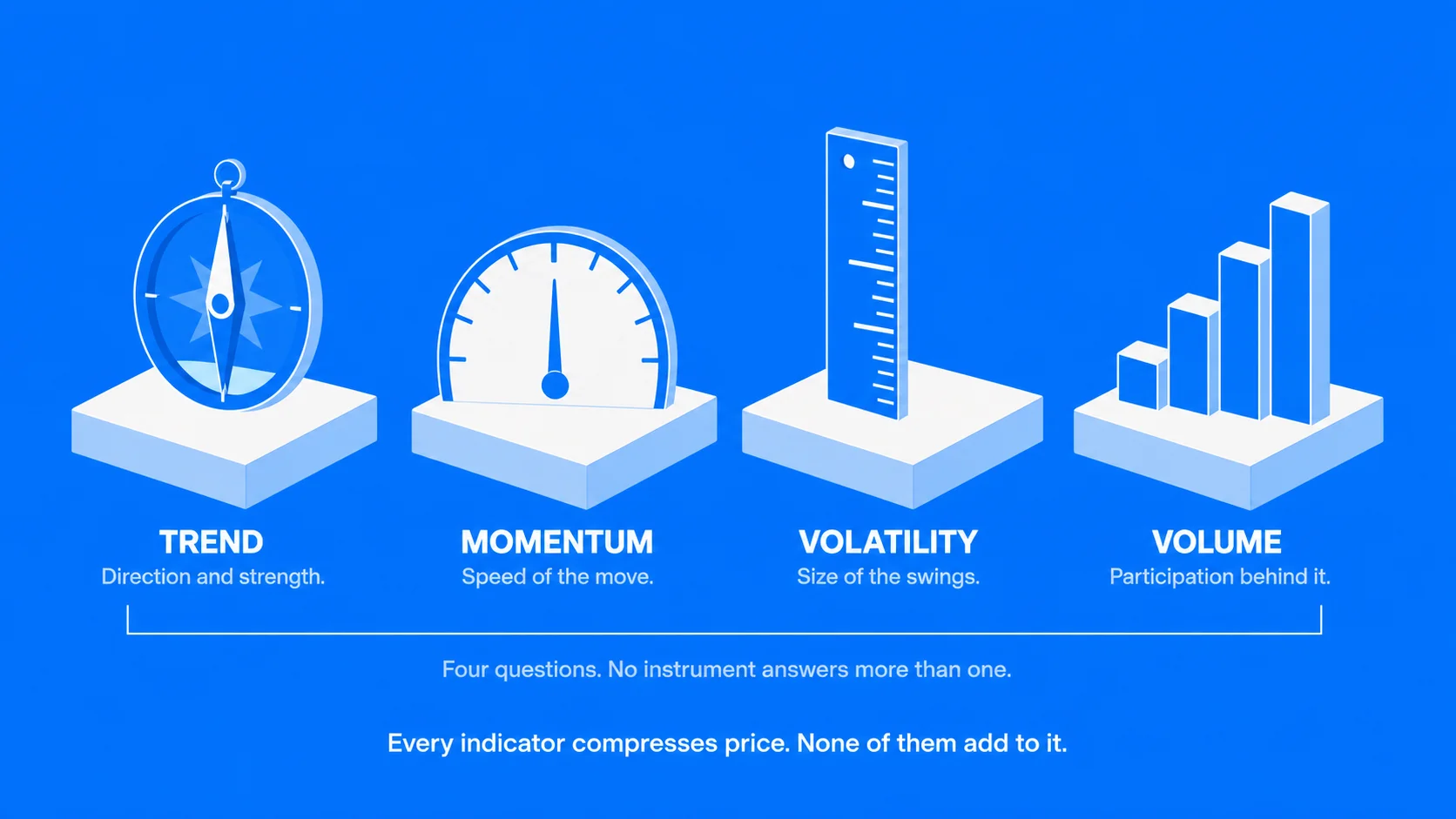
A forex trading indicator is a mathematical calculation applied to price, volume, or open interest and plotted on a chart to make a market condition easier to read. Indicators fall into four categories: trend, momentum, volatility, and volume. The important point comes first, because it changes how everything below should be used: an indicator contains […]
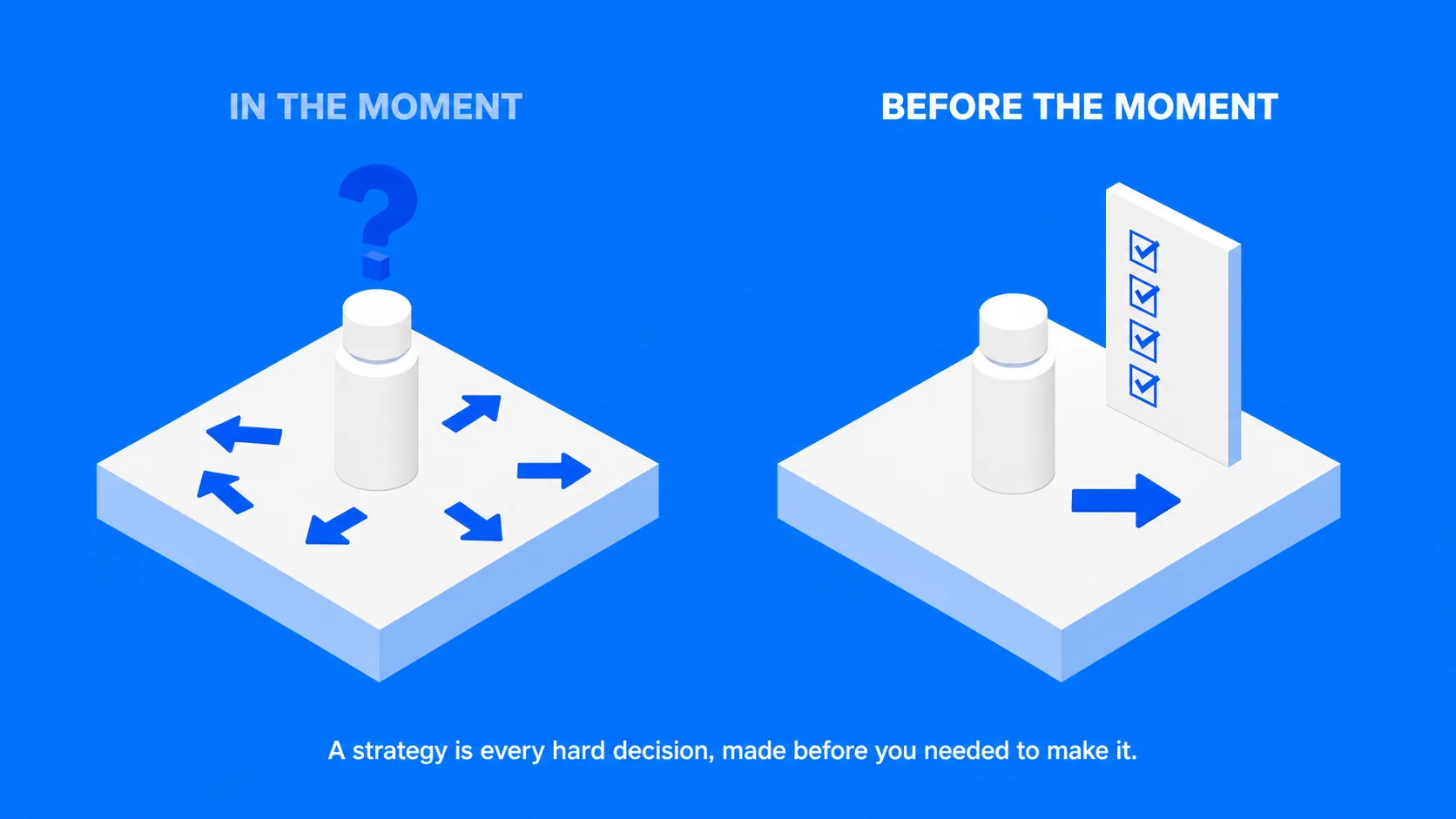
A forex trading strategy is a structured set of objective rules that tells a trader exactly when to enter a position, when to exit, how much capital to commit, and how much risk to accept on each trade. Trade signals, position sizing and exit conditions are defined in advance, which converts trading from a series […]
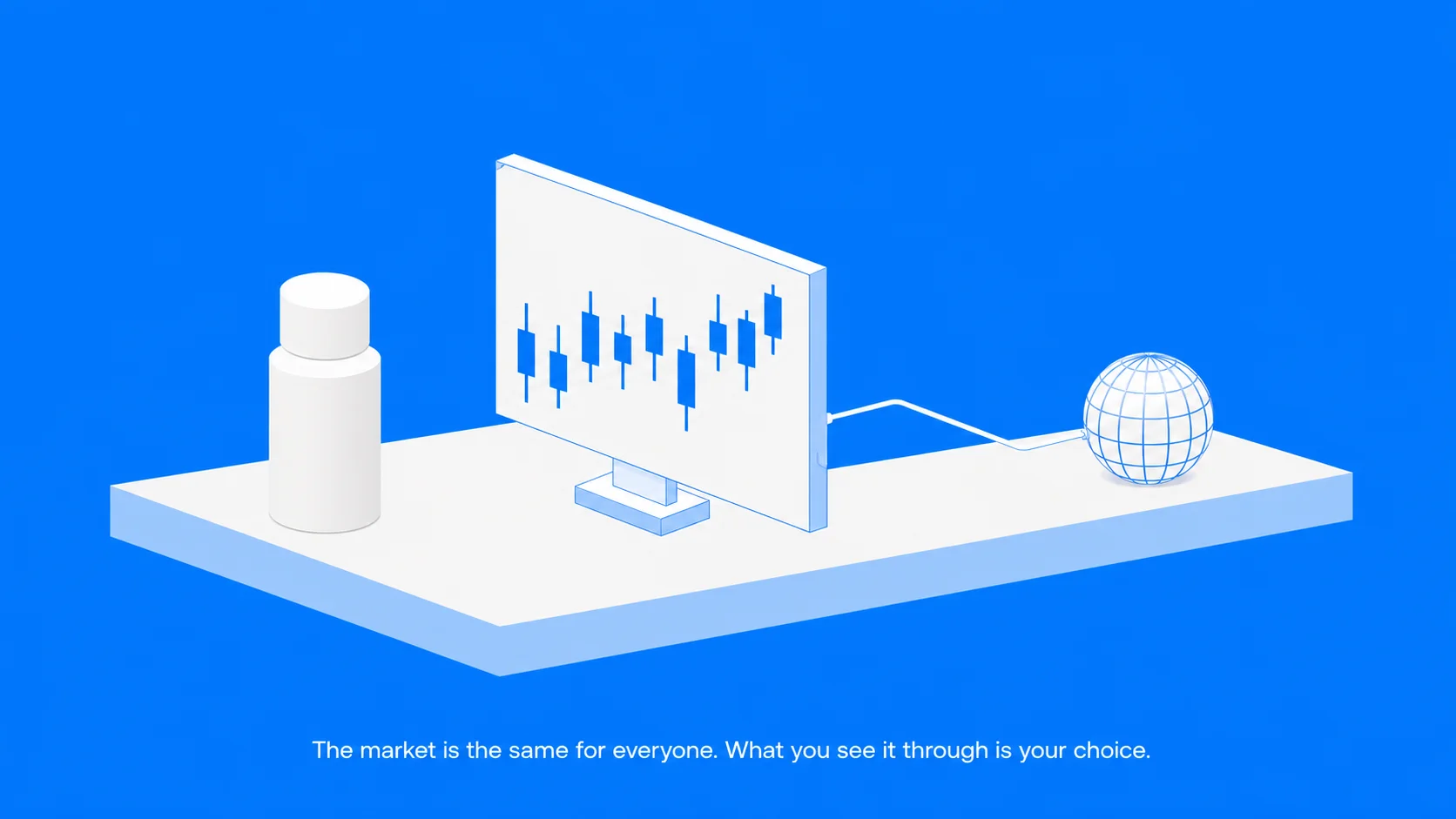
A forex trading platform is the software that connects you to the currency market: it displays live prices, renders charts, executes your orders, and tracks your open positions. The broker provides market access and pricing; the platform is the interface you actually work in. The same platform can be offered by dozens of brokers, so […]
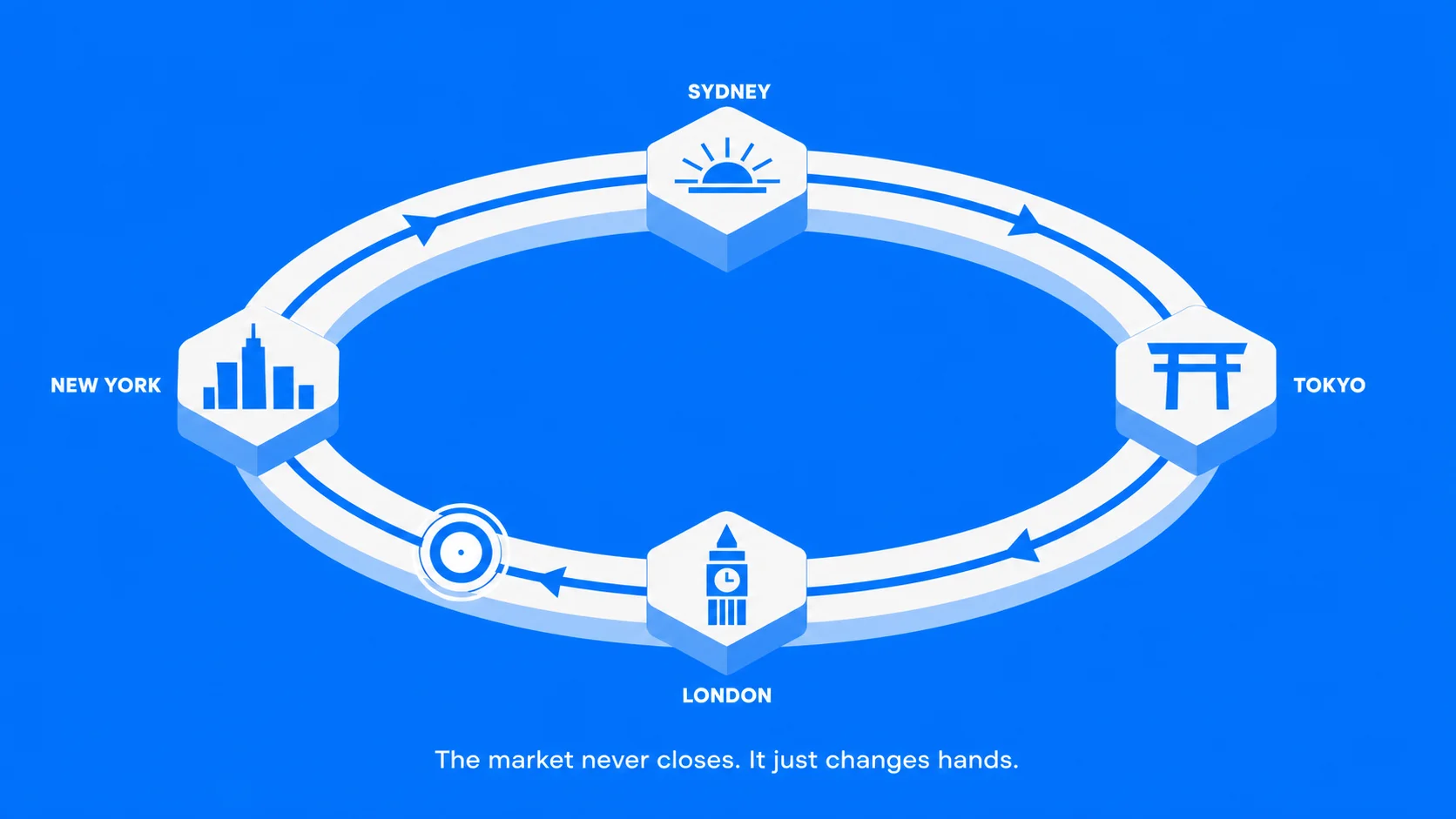
The forex market runs 24 hours a day, five days a week: it opens with the Sydney session at 22:00 UTC on Sunday and closes with the New York session at 22:00 UTC on Friday (one hour earlier, 21:00 UTC, when the US is on daylight saving time). There is no central exchange with an […]
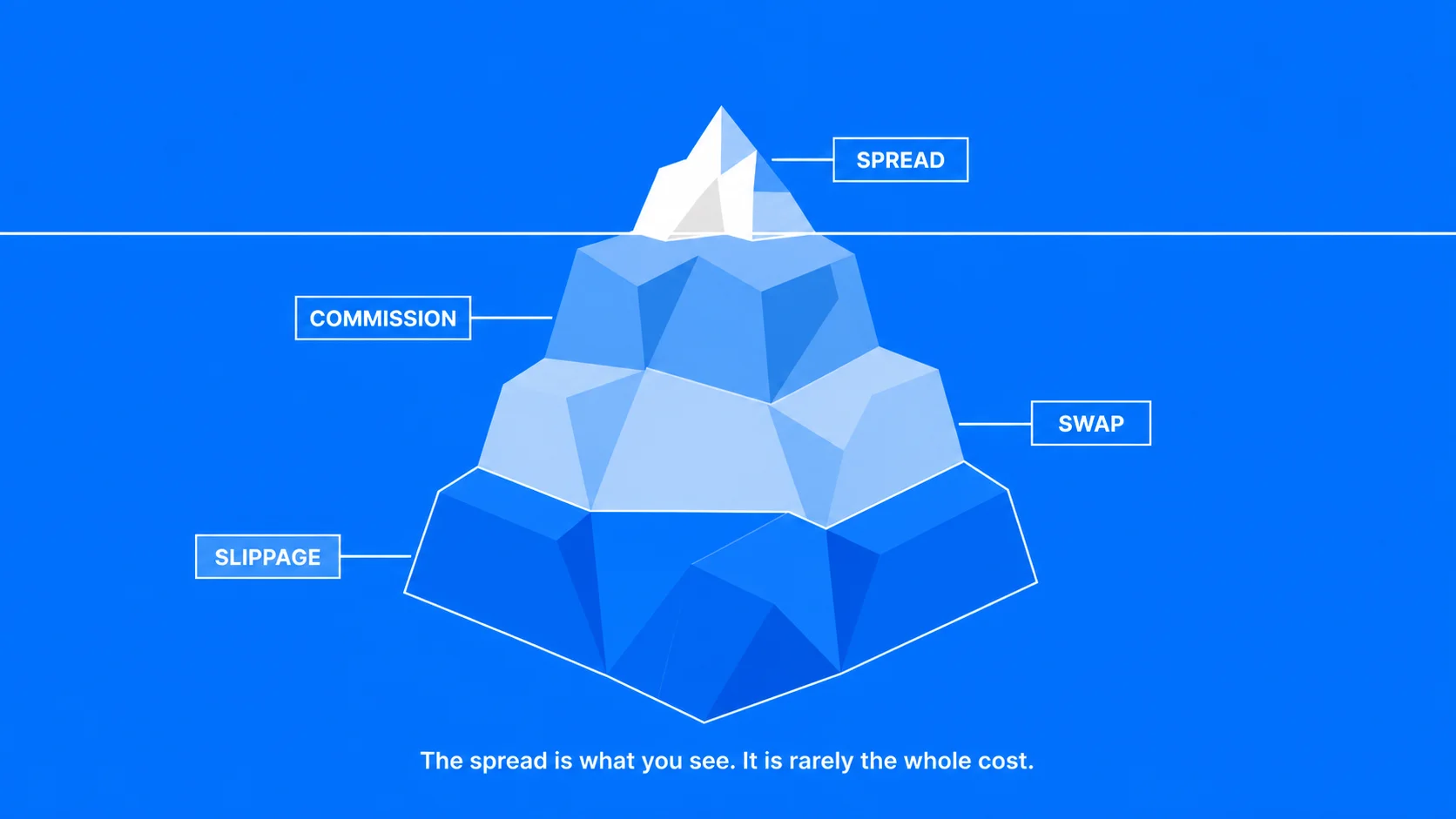
Forex trading costs are the charges a trader pays to open, hold, and close a currency position in the forex market. They fall into four categories: transaction costs (spread and commission), financing costs (swap), execution costs (slippage), and non-trading fees (deposits, withdrawals, inactivity, conversion). Most are embedded in pricing rather than invoiced, which is why traders […]
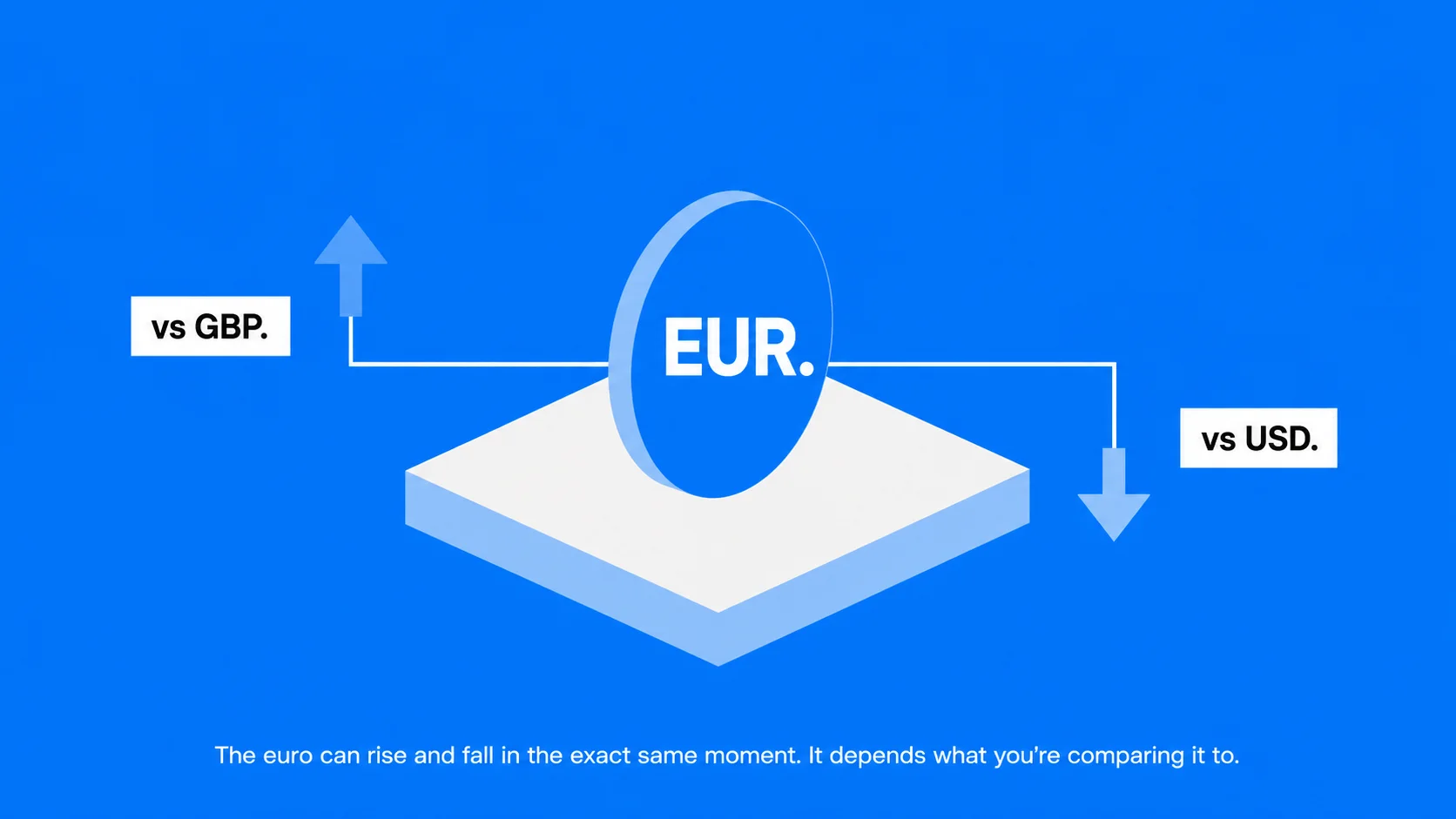
A currency pair is a price quotation of two currencies set against each other, showing how much of the second currency it takes to buy one unit of the first. Pairs, not single currencies, are the tradable unit of the foreign exchange market, where turnover averaged roughly $9.6 trillion a day in April 2025, according […]
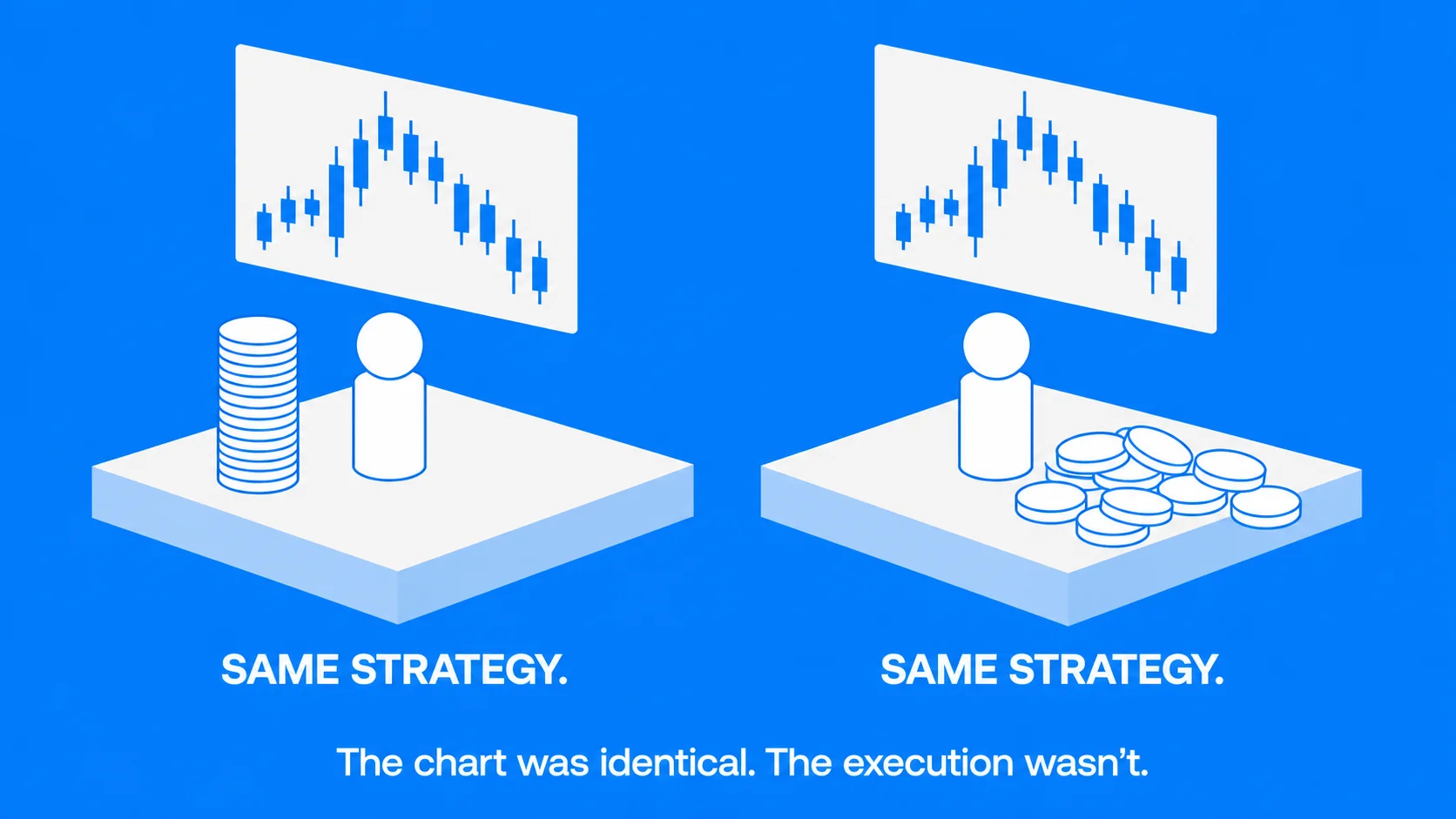
Trading psychology is the emotional and cognitive side of trading decisions: how fear, greed, and mental shortcuts change what a trader does at the moment money is on the line. Most traders treat it as secondary to strategy, which is the wrong order. Two people can run the same system on the same chart and […]


